
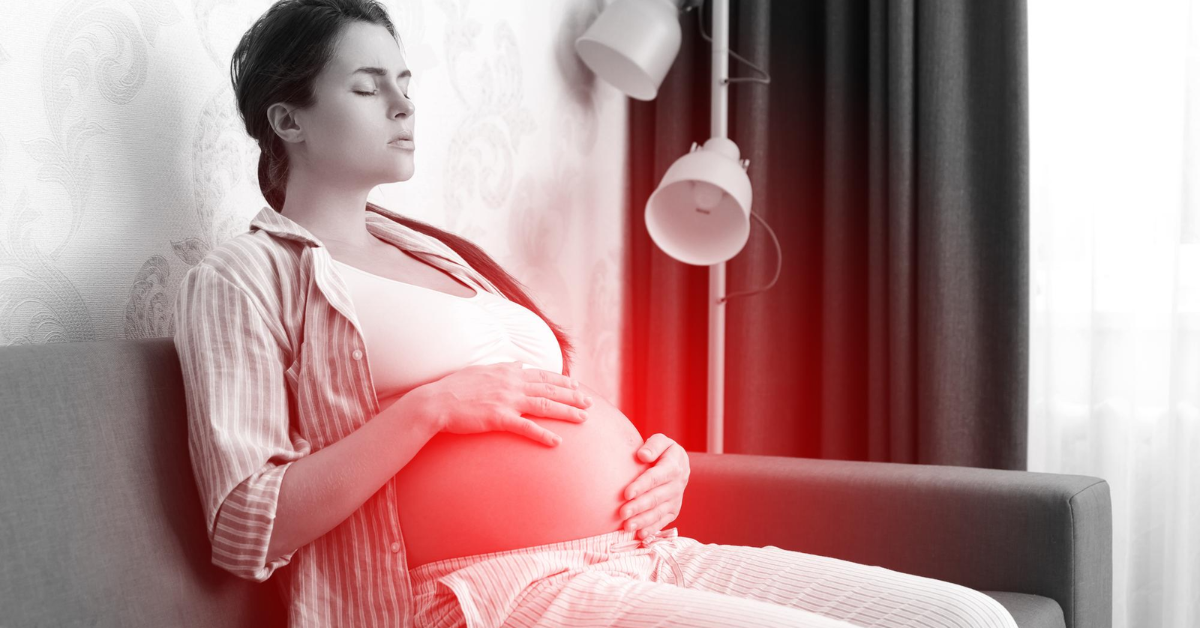
Pregnancy is a beautiful journey but it also places extra demands on your body. A common health issue that many mothers face is anemia during pregnancy. It often develops quietly and you might not even realize it until you have done a routine blood test and it shows low hemoglobin levels. Any meal during pregnancy is widely common especially in countries where iron deficiency is widespread. The good news is that early detection and proper nutrition can make it easy for you to manage it.
What is anemia?
Before you know anemia in pregnancy symptoms you need to understand the basics. Anemia occurs when your body does not have enough healthy red blood cells or hemoglobin to carry oxygen to tissues. Hemoglobin is the part of blood that carries oxygen. When its levels drop your body does not get the oxygens needed. This can make you feel weak and tired. During pregnancy blood volume increases significantly to support the growing baby. If iron and other nutrients are not sufficient enough, hemoglobin levels can just fall leading to anemia.
Why is anemia common during pregnancy?
Pregnant women need almost double the iron compared to non pregnant women. It is because iron is required to produce extra blood for pregnancy and support the baby’s growth. It can also prepare the mother for blood loss during delivery. If the Diet does not provide enough and or absorption is poor , anemia can develop.
Symptoms of anemia in pregnancy
Many symptoms are mild at 1st and might be mistaken for normal pregnancy changes.
Common signs include:
- Constant tiredness or weakness
- Pale skin, lips, or nails
- Shortness of breath
- Dizziness or lightheadedness
- Headaches
- Fast heartbeat
- Cold hands and feet
- Difficulty concentrating
How to prevent anemia complicating pregnancy
Prevention is always better than treatment. Most doctors recommend iron and folic acid from early pregnancy or even before conception. You need to eat a balanced diet including iron rich foods, protein sources and fresh fruits, add lemon or citrus fruits to meals and avoid tea and coffee immediately after eating.
Treatment of anemia during pregnancy
Most pregnant women are prescribed iron tablets or syrups. These help increase the hemoglobin levels gradually. You can take iron with vitamin C and avoid tea or coffee near iron intake. Iron rich foods are strongly encouraged along with supplements, good sources include green leafy vegetables and spinach besides lentils and beans.
So anemia during pregnancy is common but it should never be ignored In certain cases, you may need injection of Iron as Oral iron may not work. With proper nutrition and regular checkups most women recover well and go on to have healthy pregnancies and safe deliveries. If you are pregnant or planning to conceive, make hemoglobin checks a part of your routine care.
At Sunshine Women’s Hospital, experienced doctors like Dr. Kushal Shah and Dr. Bhavik Patel guide expectant mothers through regular hemoglobin monitoring and provide the best care.