
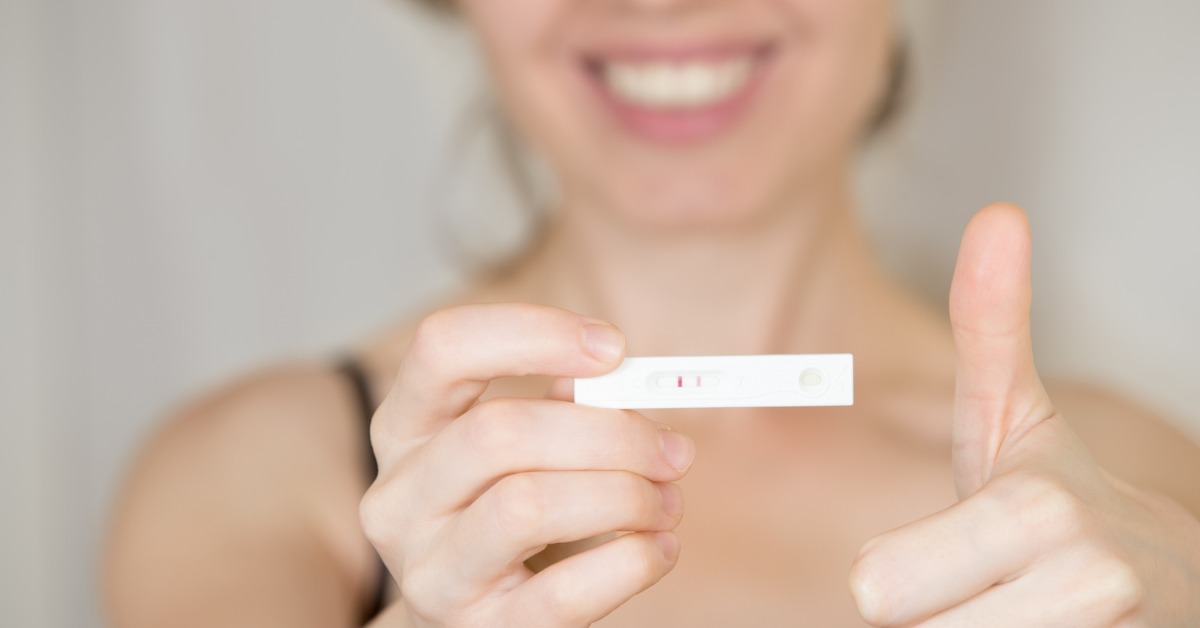
If you think about whether you might be pregnant, taking a home pregnancy test can feel both exciting and also nerve wracking. The good news? A pregnancy test kit is completely simple to use and highly accurate when used correctly. But small mistakes like testing too early or not following the proper way of doing it can also lead to confusion.
Pregnancy Test Kit Guide: How to Get Accurate Results at Home
Knowing the correct way to use a pregnancy test kit is important for obtaining dependable and accurate results. Using the test at the right time, carefully following the instructions, and collecting the urine sample properly can greatly improve the reliability of the outcome. Although home pregnancy tests are easy and convenient to use, understanding the correct procedure helps avoid errors, reduces uncertainty, and lowers the risk of false results.
How does a pregnancy test work?
Before you learn pregnancy test kit use, you need to understand the basics. A home pregnancy test detects a hormone called HCG in your urine. HCG is produced after a fertilised egg attaches to the uterus, and the level of HCG increases in early pregnancy. The more carefully you follow the instructions, the more reliably your result will be.
When is the best time to take a pregnancy test?
Timing matters. The best time is when you miss your menstrual cycle, & take an early morning sample, which is the first urine of the day. Morning urine contains the highest concentration of HCG especially in early pregnancy. Testing too early might give you a false negative result because hormonal levels might still be low.
Also Read: Medical Termination of Pregnancy: Types and Who Can Opt For It
Step-by-step guide
Even if you have used one before, you need to read the instructions first. The test requires a urine sample. You can use a clean, dry container and collect a small amount of urine & make sure to avoid touching the inside of the container. Next, you can apply urine to the test depending on the type of kit. Dip the test kit tip into the collected urine for the time mentioned, or pour a few drops of urine in Kit at a specified area.
What You Need Before Testing
Before you start, make sure you have:
- A pregnancy kit
- Clean, dry hands
- A timer or phone clock
- The instruction leaflet
Understanding False Pregnancy Test Kit Results
False Negative (Most Common)
This can happen if:
- You tested too early
- Urine was diluted
- Instructions were not followed properly
If your period doesn’t start, repeat the test after a few days.
False Positive (Rare)
This may occur due to:
- Recent pregnancy
- Certain medications
- Rare Medical conditions
When to See a Doctor
Contact a healthcare provider if:
- You get a positive result
- You have symptoms but repeated negative results
- You experience severe pain or heavy bleeding
- Your periods are very irregular
So, in short, you can say that using a pregnancy test kit correctly is simple when you follow the steps carefully. Remember, timing matters, and morning urine is the best. Home pregnancy tests are reliable, but medical confirmation by a doctor ensures accurate guidance for your next steps.
FAQs:
1. What is the correct way to use a pregnancy test kit?
The correct way to use a pregnancy test kit is to follow the manufacturer’s instructions, use a clean urine sample, and perform the test at the recommended time, ideally after a missed period. Using first morning urine can improve accuracy, especially during early pregnancy.
2. When is the best time to take a pregnancy test?
The best time to take a pregnancy test is after you miss your period. Using the first urine of the morning can improve accuracy, especially during early pregnancy.
3. Can I take a pregnancy test before my missed period?
Some pregnancy test kits can detect pregnancy before a missed period, but testing too early may result in a false negative due to low hCG levels.
4. How accurate are home pregnancy tests?
Most home pregnancy tests are more than 99% accurate when used correctly and after a missed period.
5. What causes a false negative pregnancy test result?
False negatives can occur if you test too early, use diluted urine, or do not follow the instructions properly.
6. Can a pregnancy test show a false positive result?
Yes, although rare, false positives can happen due to certain medications, a recent pregnancy, or specific medical conditions.
7. How long should I wait to read the pregnancy test result?
Always follow the instructions included with your pregnancy test kit. Most tests provide results within 3 to 5 minutes.
8. What should I do if my pregnancy test is positive?
If your test is positive, schedule an appointment with your healthcare provider to confirm the pregnancy and discuss the next steps.
9. Should I repeat the test if the result is negative but my period has not started?
Yes, if your period is still delayed, repeat the test after 2 to 3 days or consult your doctor for further evaluation.
10. When should I see a doctor after taking a pregnancy test?
You should consult a doctor if you receive a positive result, have pregnancy symptoms despite negative tests, or experience pain or unusual bleeding.