When pregnancy comes with its health concerns that could affect the mother, baby or both, having a High Risk Pregnancy Management plan is no longer an option.
Maternal health records worldwide show that roughly 20 to 30% of all pregnancies get labelled high-risk due to medical problems, pregnancy complications or the way someone lives their life.
Pregnancies like these require an increased amount of careful attention, doctors with special training, and quick action in the face of anything that might come up.
It works like this: When high-risk pregnant women have their medical care well-organized, they usually have healthy children being born.
Understanding what the doctors do with high-risk pregnancies would surely keep the mother-to-be informed, prepared, and confident as they endures the process.
Understanding High Risk Pregnancy Management
Managing high-risk pregnancies involves identifying dangers early on and keeping them in check from beginning to end.
Your pregnancy may be a high-risk pregnancy because of your age, health issues you had or issues that have appeared during pregnancy, or pregnancy failures you’ve gone through before.
What structured management tries to do is pretty simple — stop trouble before it gets bigger and keep mother-and-baby away from trouble.
This type of care goes further than your regular checkups. You get specialized tracking and tests more frequently, and MDT multidisciplinary team working together with support staff.
Also Read: Top 5 Pregnancy Care Tips for a Healthy Mom and Baby
How High-Risk Pregnancy treated in a Clinical Setting?
Taking care of a high-risk pregnancy requires an advantageous medical game plan. Here you find the main points of organized high-risk pregnancy care.
Early Risk Identification and Medical Evaluation
The first step in the management of high-risk pregnancies is the identification of risks at an early stage. Doctors pierce your entire medical history, examine the outcome of previous pregnancies, and conduct diagnostic examinations to discover risks as early as possible.
Things like Diabetes during pregnancy, blood pressure problems, thyroid trouble, or diseases where your body attacks itself get noticed right away, so care plans get changed without waiting.
Finding these early allows the doctors to get control before they cause any adverse effect on the baby or mother’s health.
Sophisticated Prenatal Monitoring and Diagnostics
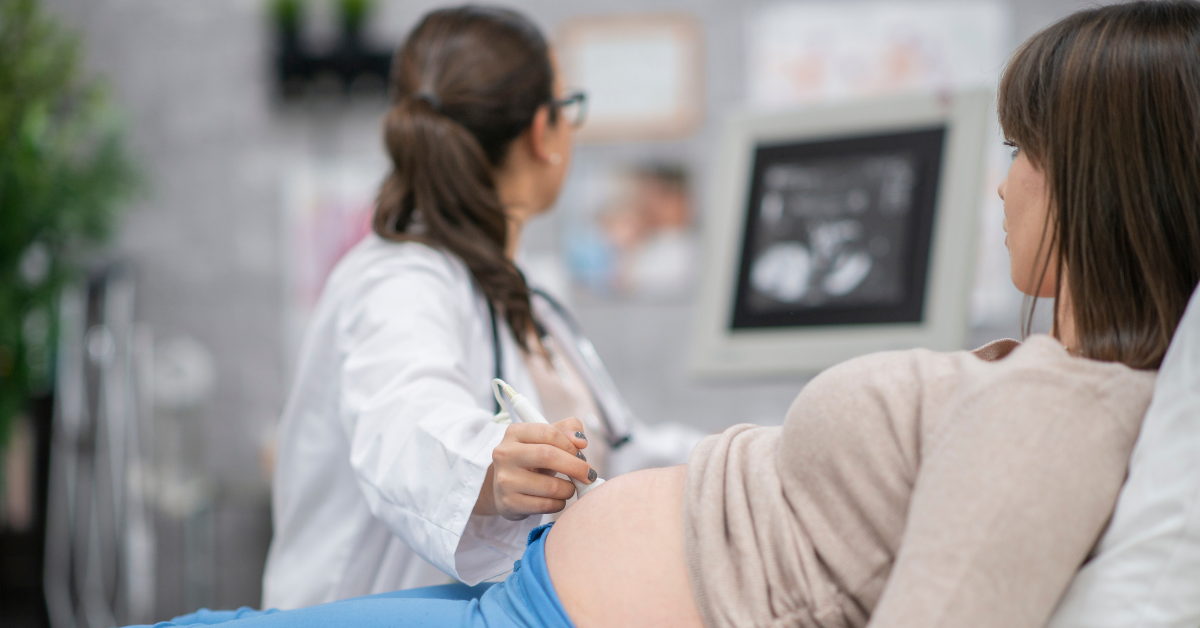
Pregnancies with higher risks require greater watching of them than regular pregnancy care does. You’ll have ultrasounds more often, scans that monitor growth, Doppler studies, and stress-free tests that track how your baby develops as well as whether the placenta(after birth) remains healthy.
Checking in regularly ensures that doctors detect any signs of slowed growth, dropping blood flow, or the baby struggling. Taking action ahead of time, however, cuts down on serious emergency problems later when you’re further along.
Personalised Treatment Plans and Medication Plans
No two high-risk pregnancies are alike. Doctors develop a treatment plan that is specific to the disorder they are treating. It could be regulating blood pressure, regulation blood sugar, managing hormones, or preventing the occurrence of infections.
How much medicine you take, what you should eat, and how active you can be are all carefully planned to help you and your baby. Doctors continue to make adjustments as your pregnancy progresses to maintain the stability and eliminate risks that are not necessary.
At Sunshine Women’s Hospital, high-risk pregnancy care is based on personalized care plans that integrate doctor-proven knowledge with advanced tracking devices, ensuring that mothers receive consistent and responsive care throughout.
Lifestyle, Nutrition, and Activity Guidelines
It is not enough to just take the medicine when you have a more risky pregnancy. The way you led your everyday life is a significant determinant in management. Mother-to-be are advised on what to eat, how to stay hydrated, how to closely track their weight, how to get enough rest, and how to move in ways that suit them better.
When it comes to pregnancy, diabetes or high blood pressure, meal planning is a big part of treatment. Following a routine removes pressure on your body and provides your baby with a safer space to grow.
Emergency Preparedness and Intervening on Time
Being prepared for emergencies is one of the most important components of managing high-risk pregnancies. Medical teams remain on the lookout for warning signs such as your baby moving less, test results that don’t look right, or symptoms that come on suddenly.
When doctors need to step in, that can be changing medications, putting you in the hospital or delivering early, they make those calls quickly to keep the complications away. Being prepared like this often means the difference between an emergency delivery and a smooth delivery.
Conclusion
Having a high-risk pregnancy doesn’t mean it ends badly, but it means you need your ducks in a row and people know what they’re doing. When you have proper High Risk Pregnancy Management, to save a baby’s health as a result of problems being controlled, prevented and healthy babies get delivered. What makes it work is identifying issues early, monitoring continuously, treating every person differently, and providing emotional support.
At Sunshine Women’s Hospital, high-risk pregnancies are treated jointly by various specialists, among whom are experienced obstetricians, modern diagnostic equipment, and 24-hours monitoring.
Our focused care model ensures that the mother and the baby receive maximum medical care wherever they go. If you’re navigating a high-risk pregnancy, expert guidance and caring support at Sunshine Women’s Hospital can make all the difference.